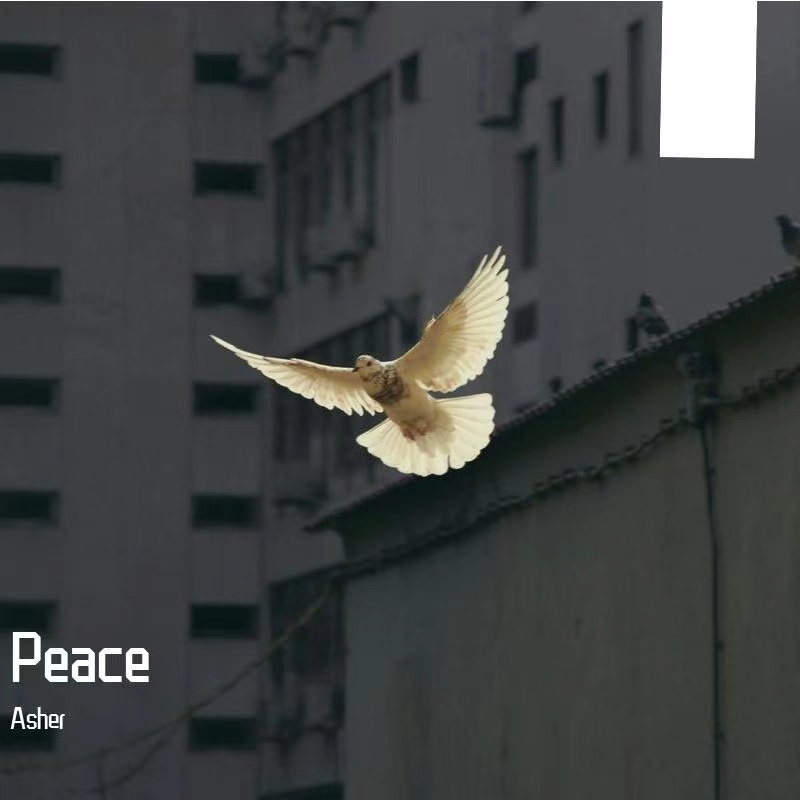
 Conceptual hip-hop / Original
Peace
I built this beat as a plea for peace. A child crying, gunshots, and ambulance sirens create a mournful atmosphere—asking the listener to reconsider the relationship between war and humanity.
Asher Zhang / Beat producer / Researcher
I produce rap beats that use rhythm, atmosphere, and sound design to carry ideas—from the human cost of war to the creative possibilities of technology.
▶ Play original work01 / Selected production
Conceptual hip-hop / OriginalI built this beat as a plea for peace. A child crying, gunshots, and ambulance sirens create a mournful atmosphere—asking the listener to reconsider the relationship between war and humanity.
 Jazz hip-hop / Original
Inspired by the late Japanese artist Nujabes, I layered the friction of vinyl with a saxophone passage I learned to compose—bringing warmth, imperfection, and movement into the beat.
Original productions by Asher Zhang. Headphones recommended.
 Asher Zhang / Producer / Researcher
02 / Why I produce
I’m Asher. I began learning guitar at ten and performed in a number of small live shows before teaching myself arranging and mixing. Since then, I have produced beats used in released music and mixed tracks that artists have published.
When I build a beat, I focus on emotional expression and atmosphere—creating a space the listener can enter. I plan to study computer science and mathematics, and I want to keep exploring how computation can support, challenge, and reshape musical creativity.
Peace and Jazzbeat show two sides of that practice. One confronts violence through unsettling environmental sounds; the other studies musical lineage through jazz-inflected hip-hop. In both, listening becomes a form of inquiry.
03 / Inside the session
Original Logic Pro project screenshots showing arrangement, instrumentation, and sound-design decisions.
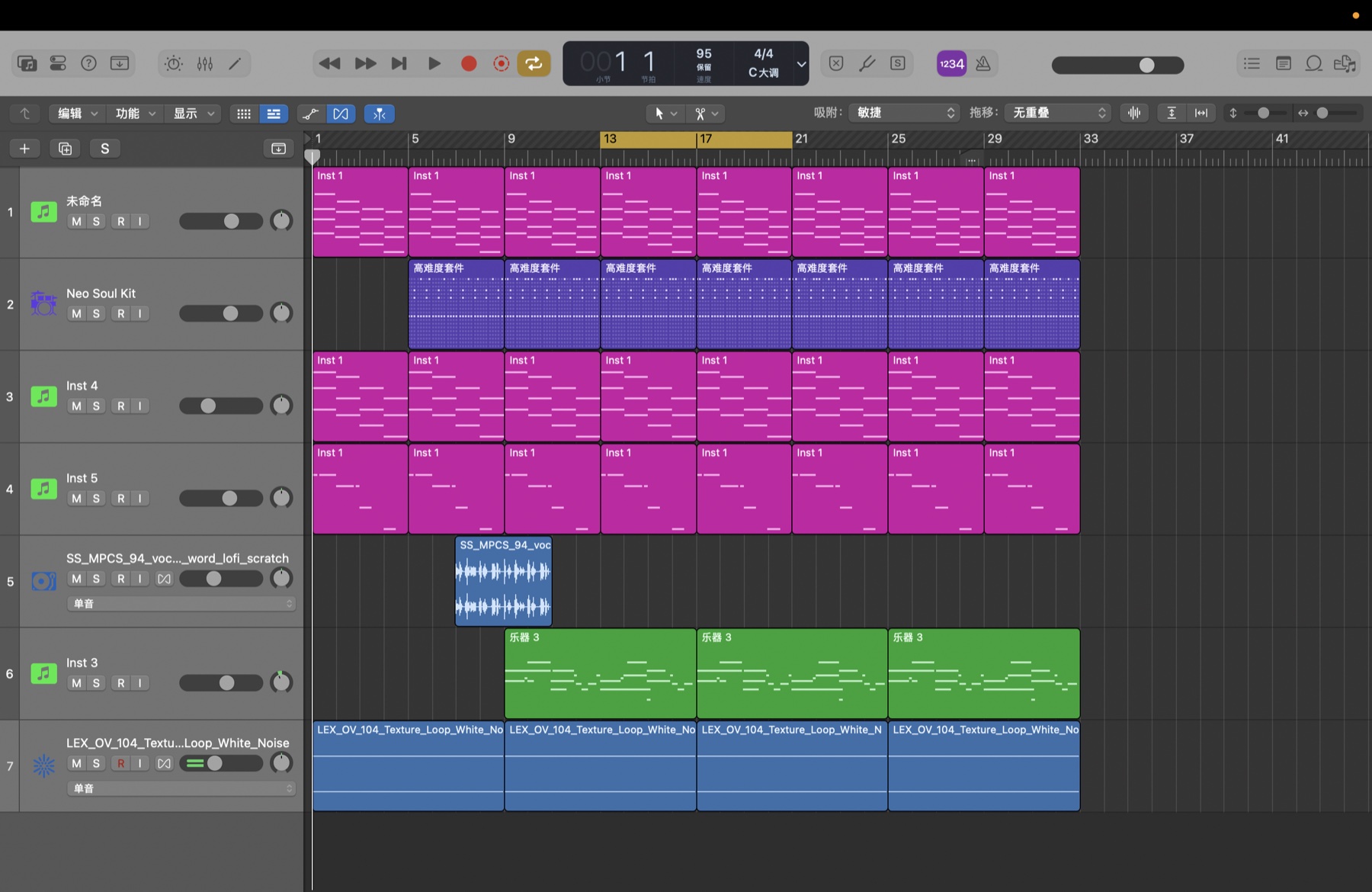
At 95 BPM in C major, I layered a Neo Soul drum kit, repeating melodic phrases, a lo-fi scratch sample, and a white-noise texture loop. The arrangement shows how I built warmth and motion through repetition, contrast, and small changes in density.
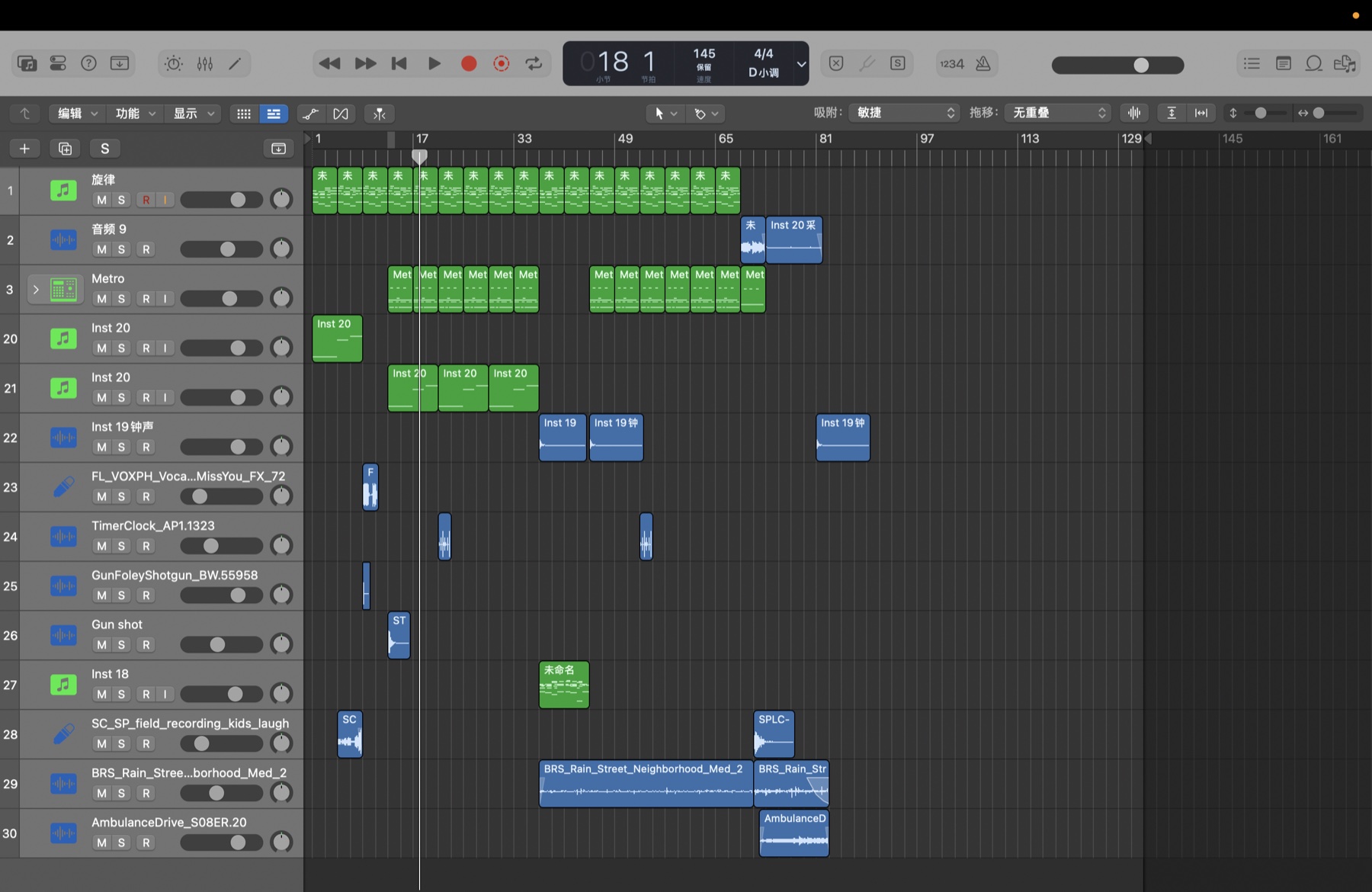
At 145 BPM in D minor, I placed gunshots, a clock, children’s field recordings, rain, and an ambulance alongside the musical layers. These sounds work as narrative events, turning the beat into a reflection on war, fear, and humanity.
04 / Extended Project Qualification
How can AI lower barriers to music creation and widen participation?
How might creators, platforms, and established roles adapt to disruption?
What do copyright, transparency, cultural value, and sustainability demand?
My research led me to view AI as a tool that should supplement—not displace—human creativity.